

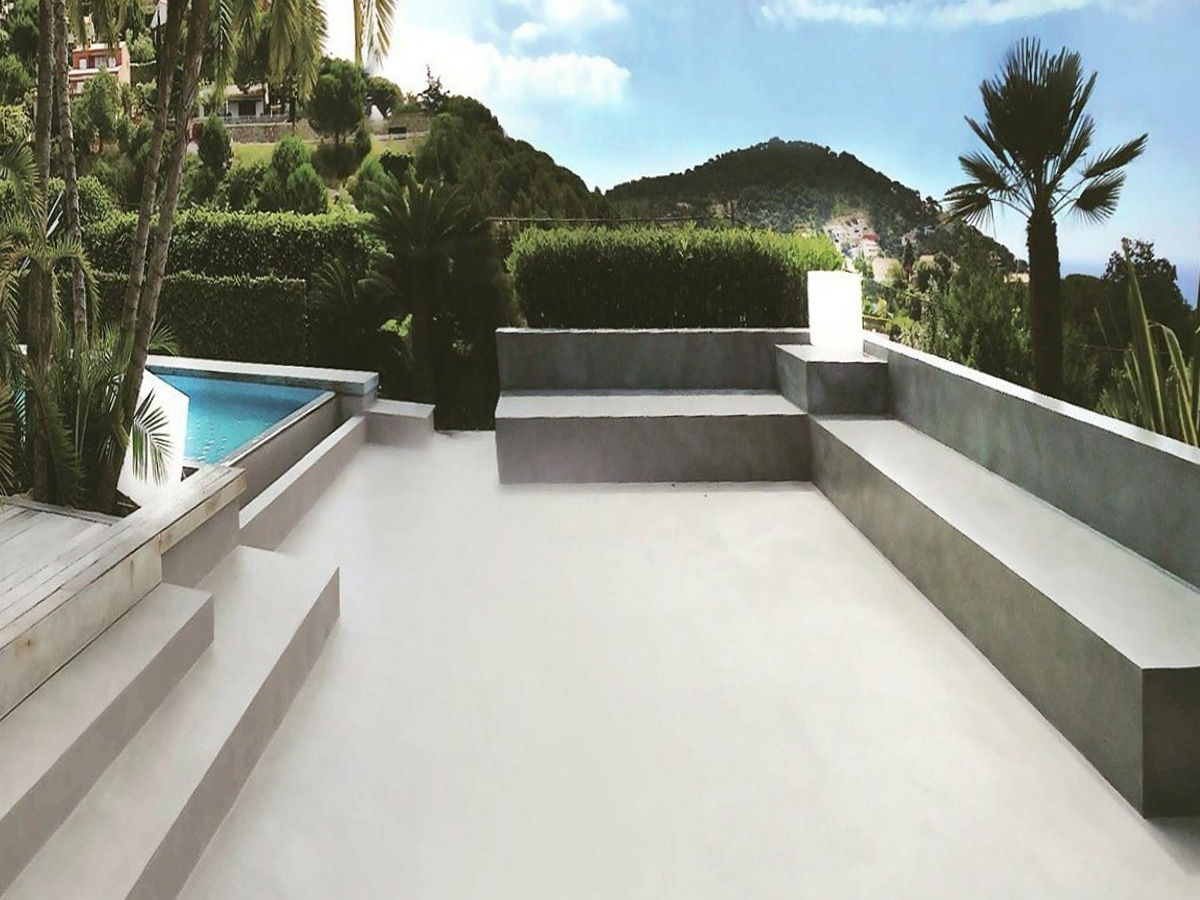








Microcement has become one of the most attractive materials in the world of renovations and contemporary design. Its visual continuity, seamless appearance, and clean aesthetic have positioned it as a highly desirable alternative to other traditional finishes. However, behind the polished image we see in magazines, social media, and inspirational projects, lies a technical and practical reality that is rarely explained clearly. Those considering microcement often do so with enthusiasm, but also with uncertainty. Reasonable doubts arise about its durability, maintenance, how it will behave over time, and the price differences between seemingly similar quotes. Most disappointments don't stem from the material itself, but from decisions made without adequate information. Therefore, before deciding, it's wise to understand what microcement really entails and what factors make the difference between a successful outcome and a problem in the medium term.
Table of contents
Microcement is not a decorative finish, it is a technical decision
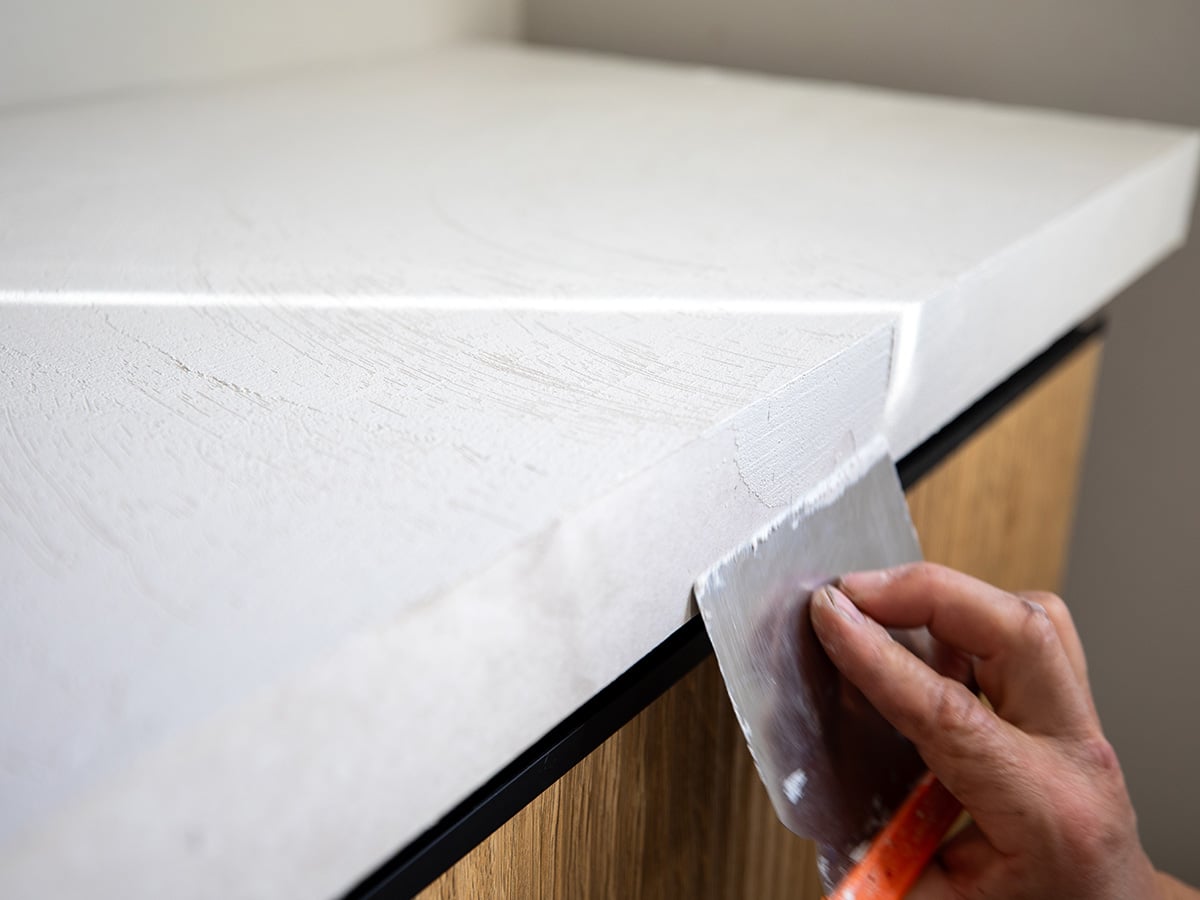
One of the least understood, yet most crucial, aspects is that microcement is not simply a finish that you apply and that's it. It doesn't work like paint or a surface coating. Microcement is a technical system comprised of several phases that must be executed in a specific order and adapted to each project.
The preparation of the substrate, the reinforcement of the base, the application of the different layers, and the final sealing form an inseparable whole. Each of these phases fulfills a specific function and influences the behavior of the entire system. When any of these phases is simplified, accelerated, or omitted, the result may seem correct at first, but it loses stability over time.
This is where many differences begin between projects that, visually, may appear identical. Two microcement surfaces can have the same color and texture, but respond completely differently to daily use simply because the system applied was not suitable for that specific space.
The support: the invisible foundation that determines the outcome
If there's one aspect that rarely receives the attention it deserves, it's the substrate on which microcement is applied. There's a widespread idea that "it can be applied to almost any surface," and while that's partly true, that statement is often interpreted too optimistically.
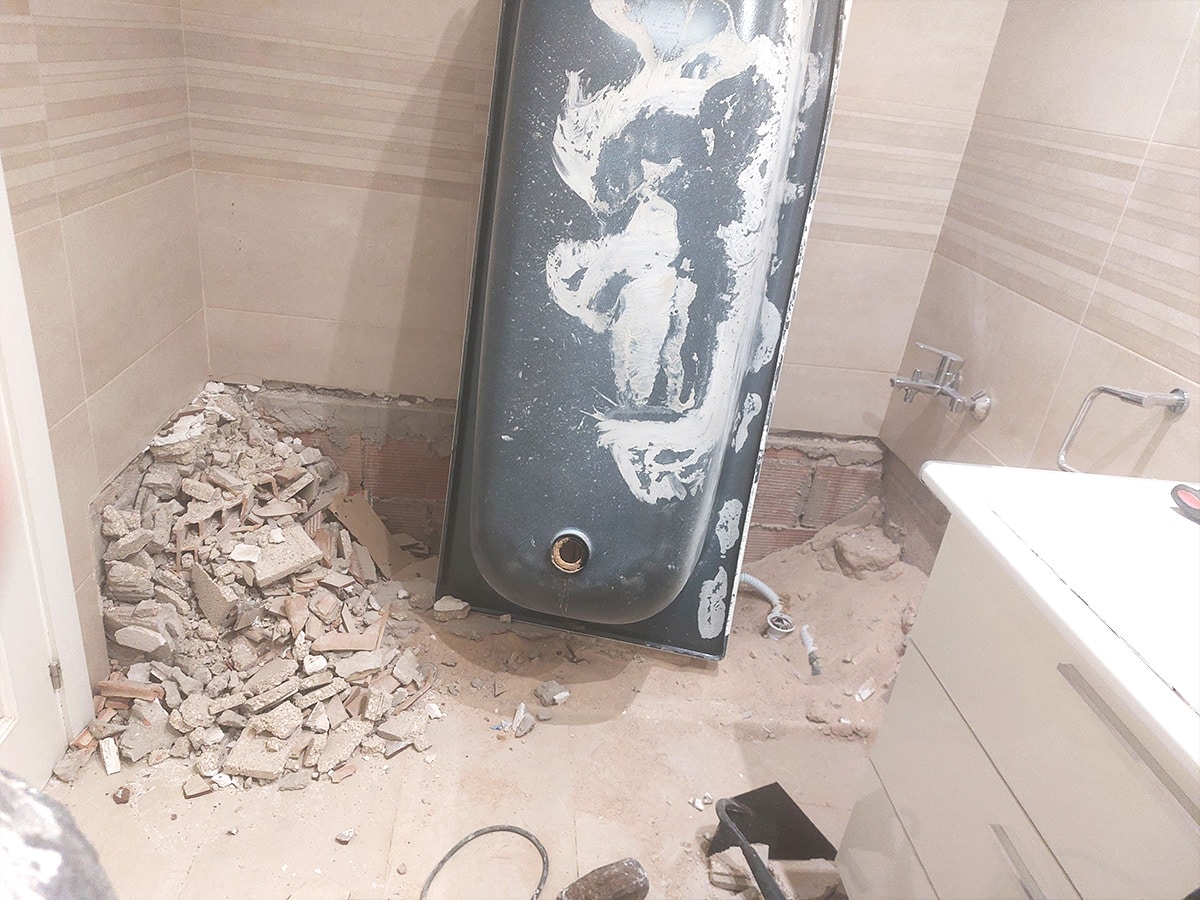
The condition of the substrate directly affects the performance of the microcement. Cracks, structural movement, latent moisture, or poorly consolidated surfaces must be analyzed and treated before applying any system. Ignoring these factors is one of the most common mistakes and, at the same time, one of the least visible at the start of construction.
Many problems that appear months later—microcracks, stains, or loss of uniformity—do not originate from the microcement itself, but from a substrate that was not prepared to receive it. This phase requires time, expertise, and experience, and is not always given enough consideration when comparing quotes.
The finish and the actual use: where the important decisions are made
Another common misconception is that the microcement finish is merely an aesthetic matter. In reality, the finish directly influences how the space is experienced. Texture, gloss level, and adhesion determine not only the appearance but also maintenance, comfort, and durability.
Microcement applied to a decorative wall is not the same as microcement applied to a high-traffic floor. Nor does it perform the same in a kitchen, a shower, or an outdoor terrace. Each space has different requirements, and the system must adapt to them. Choosing a finish simply because it "looks nice" in a picture is usually an incomplete decision.
When the finish is chosen considering the actual use of the space—how it's cleaned, how many people use it, and whether it's exposed to humidity or sunlight—microcement becomes a practical and coherent solution. Otherwise, everyday frictions arise that could have been avoided with a good initial choice.
Durability, maintenance, and realistic expectations
Microcement is a durable material, but not indestructible. This distinction is important. Like any well-finished, continuous surface, its performance depends on use and maintenance. Dragging furniture without protection, using harsh cleaning products, or neglecting the protective sealant will affect the finish over time.
This doesn't mean microcement is delicate, but rather that it requires the same basic care as any quality material. With proper maintenance, it can remain in excellent condition for many years. Furthermore, one of its advantages is that, in many cases, the finish can be renewed without having to redo the entire surface.
The price of microcement cannot be understood without context
One of the most frequently asked questions is why there are such different prices for the same space. The answer lies not in the material itself, but in everything surrounding it. The final price depends on the condition of the surface, the system applied, the number of layers, the type of sealant, and the project's requirements.
Comparing prices without analyzing what each proposal includes is a major cause of poor decisions. A lower budget often cuts out invisible but essential phases. The problem is that these phases are what guarantee stability and durability. In the medium term, redoing or repairing a poorly executed system is much more expensive than doing it right from the start.
When microcement is not the best option
Although it's a very versatile material, microcement isn't the ideal solution in every case. There are situations where it's not recommended: surfaces with constant movement, bases in very poor condition, or unrealistic expectations regarding use and maintenance.
This is where professional honesty makes all the difference. Saying "no" when microcement isn't a good fit for the project is part of doing a good job. Sometimes, ruling out an option early on is the best way to avoid future problems and ensure a satisfactory result.
So, is microcement worth it?
Microcement is worthwhile when understood for what it is: a technical system that requires analysis, proper execution, and well-considered decisions. It's not a passing fad or a one-size-fits-all solution, but it is a very powerful tool when used judiciously.
When everything fits together —proper support, correct system, well-chosen finish and consistent maintenance— the result is a continuous, functional and durable space, designed to be lived in comfortably on a daily basis.
Before making a decision, do your research, ask questions, and analyze your specific situation. Microcement doesn't fail on its own; it fails when applied without understanding the context. Choosing wisely from the start is the best investment to ensure you enjoy the results for years to come.