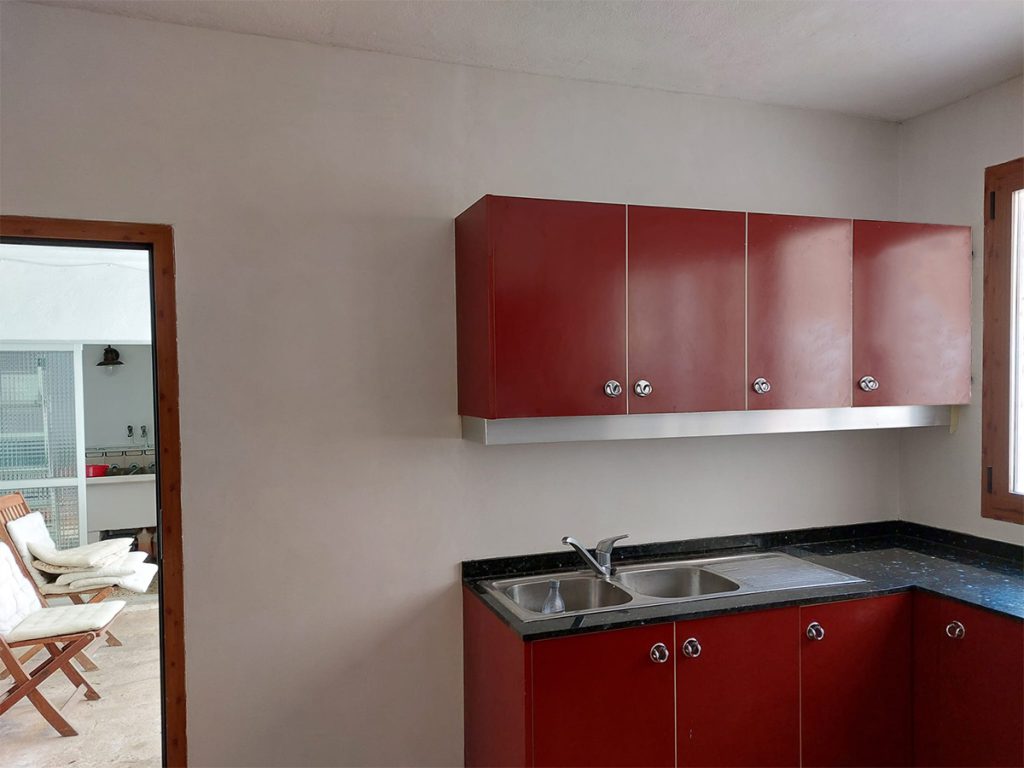
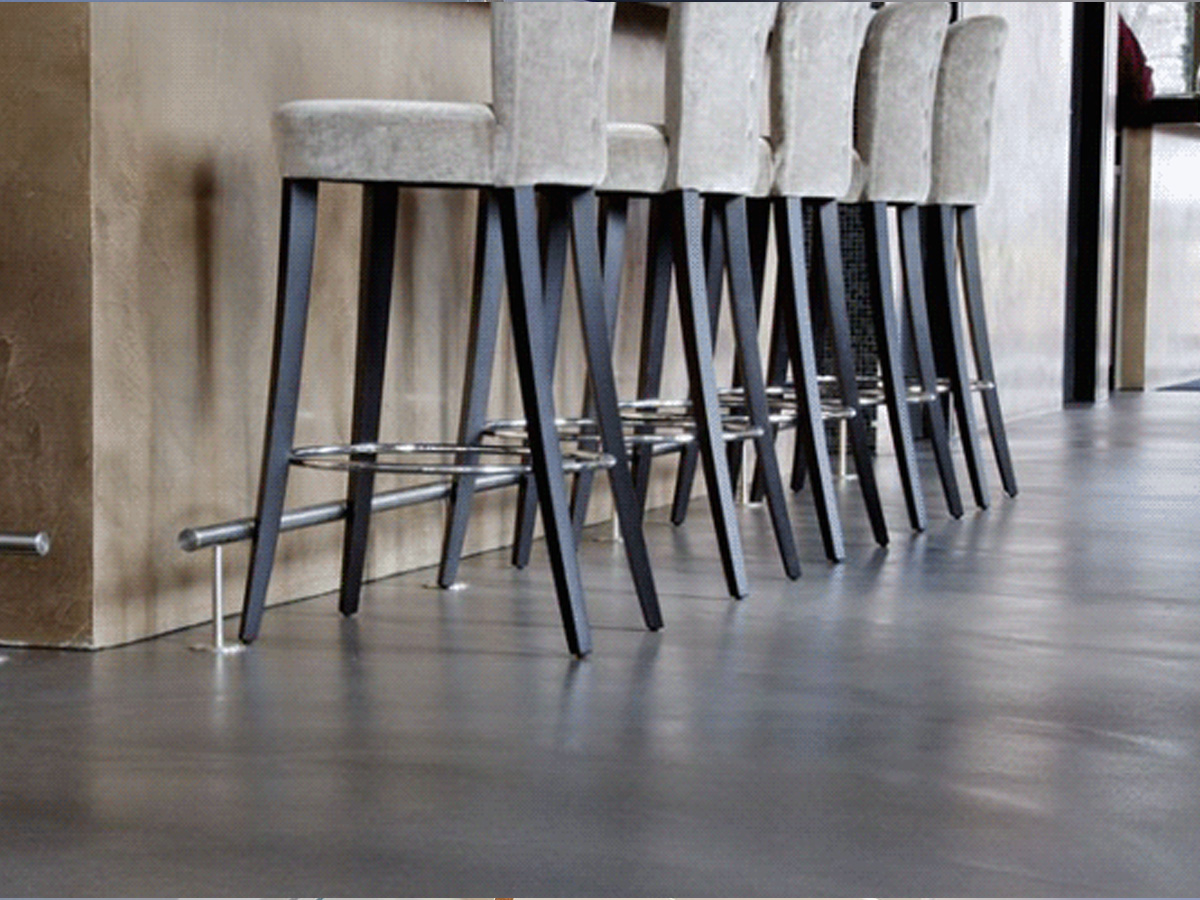
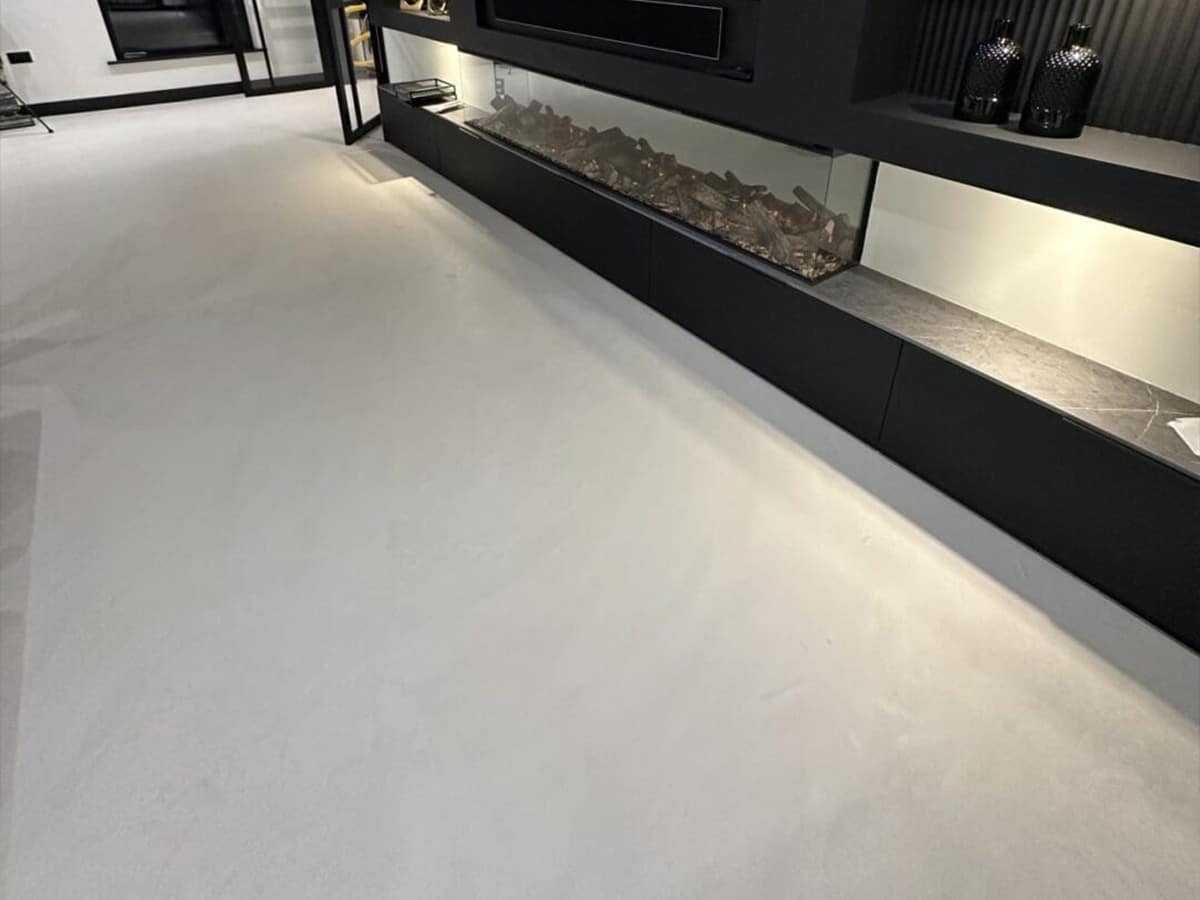

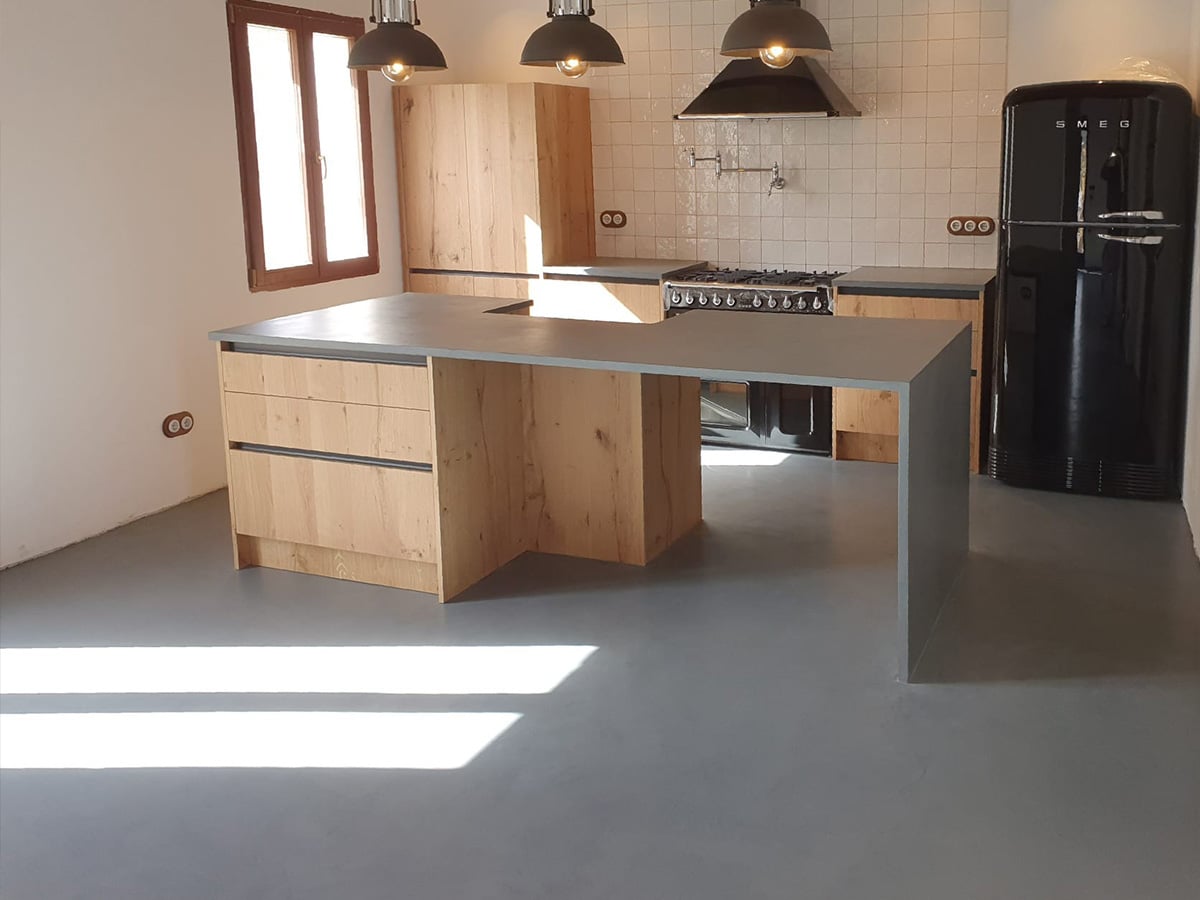


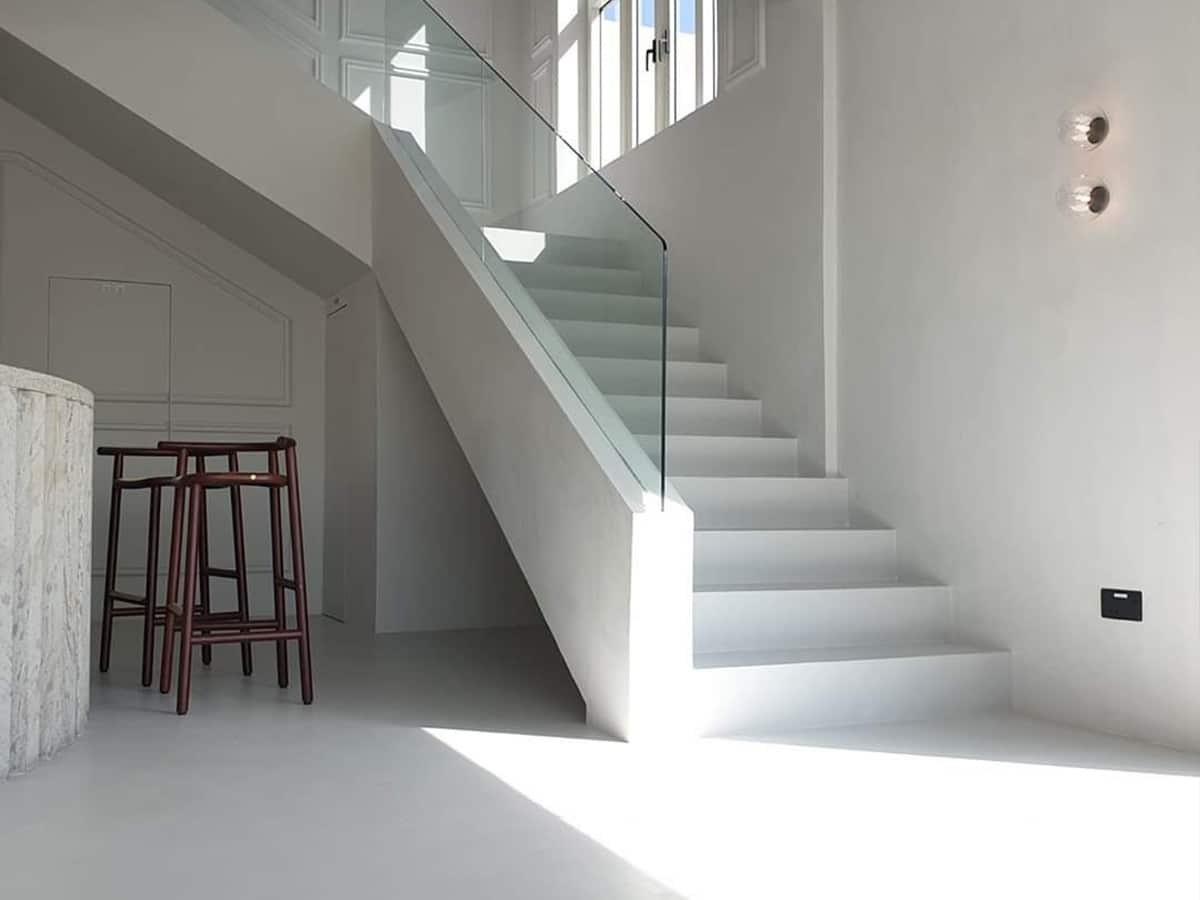

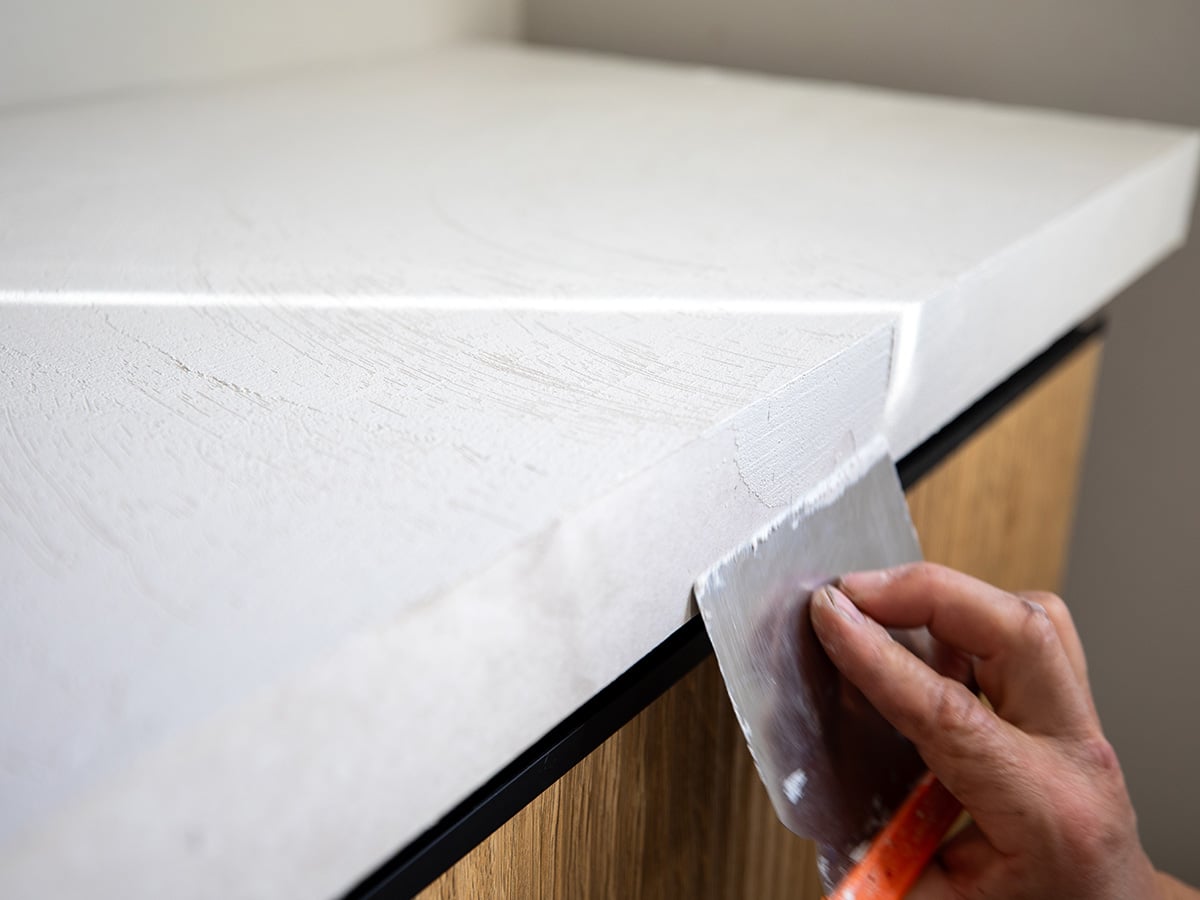


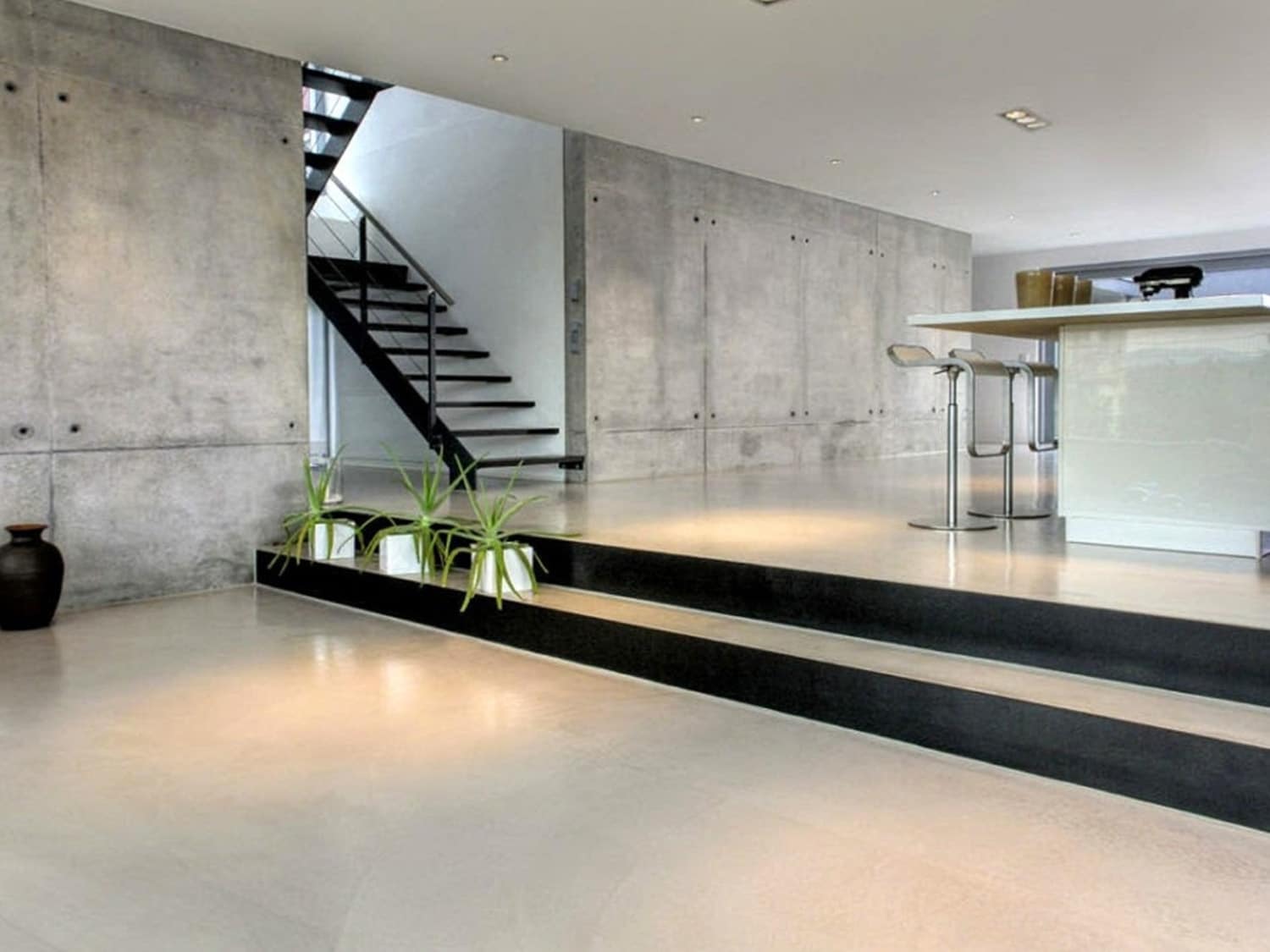
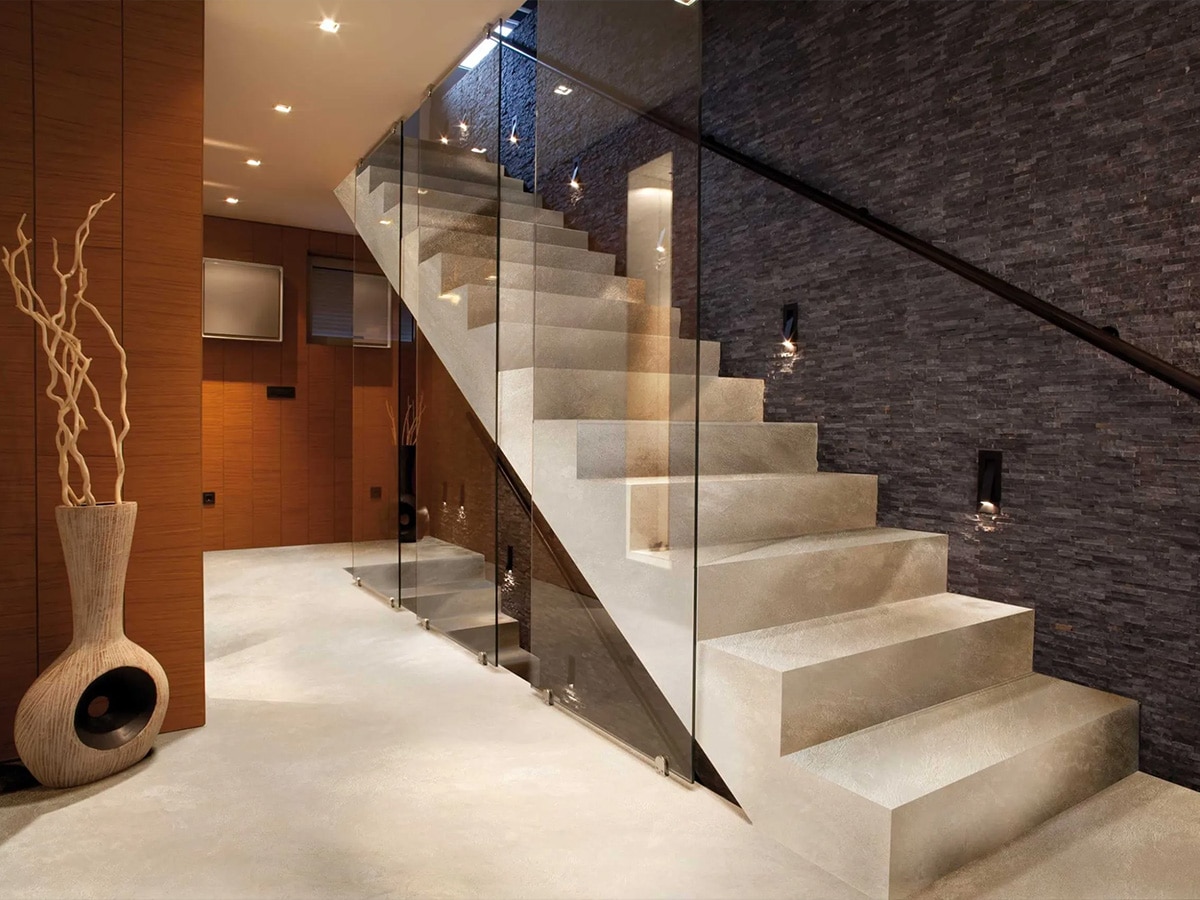

There's something almost hypnotic about before-and-after photos. They allow us to understand a change in seconds. An old, fragmented, or dull space is transformed into a clean, continuous, and luminous surface. Microcement often appears as the protagonist of this transformation. But the reality is more complex. The material doesn't transform on its own. It does so when used in the right context and with the right decisions behind it.
In this article, we won't showcase dramatic transformations without explanation. We'll analyze what actually happens in projects where microcement makes a difference and in which it isn't the most sensible solution.
Table of contents
When microcement changes the perception of space
There are spaces that are structurally sound but visually fragmented. Different flooring, prominent joints, changes in materials between rooms. Nothing serious, but enough to break the continuity and reduce the feeling of spaciousness.
When that mixture is replaced with a continuous microcement surface, the effect is immediate. The eye no longer lingers on cuts and transitions. The space breathes. Light moves uninterrupted, and perception changes even without altering the layout. It's not magic. It's visual interpretation.
This type of transformation works particularly well in open-plan homes or renovations where the aim is to update without altering the structure. Here, microcement acts as a unifying element. It doesn't compete. It brings order.
Renovate without dismantling everything
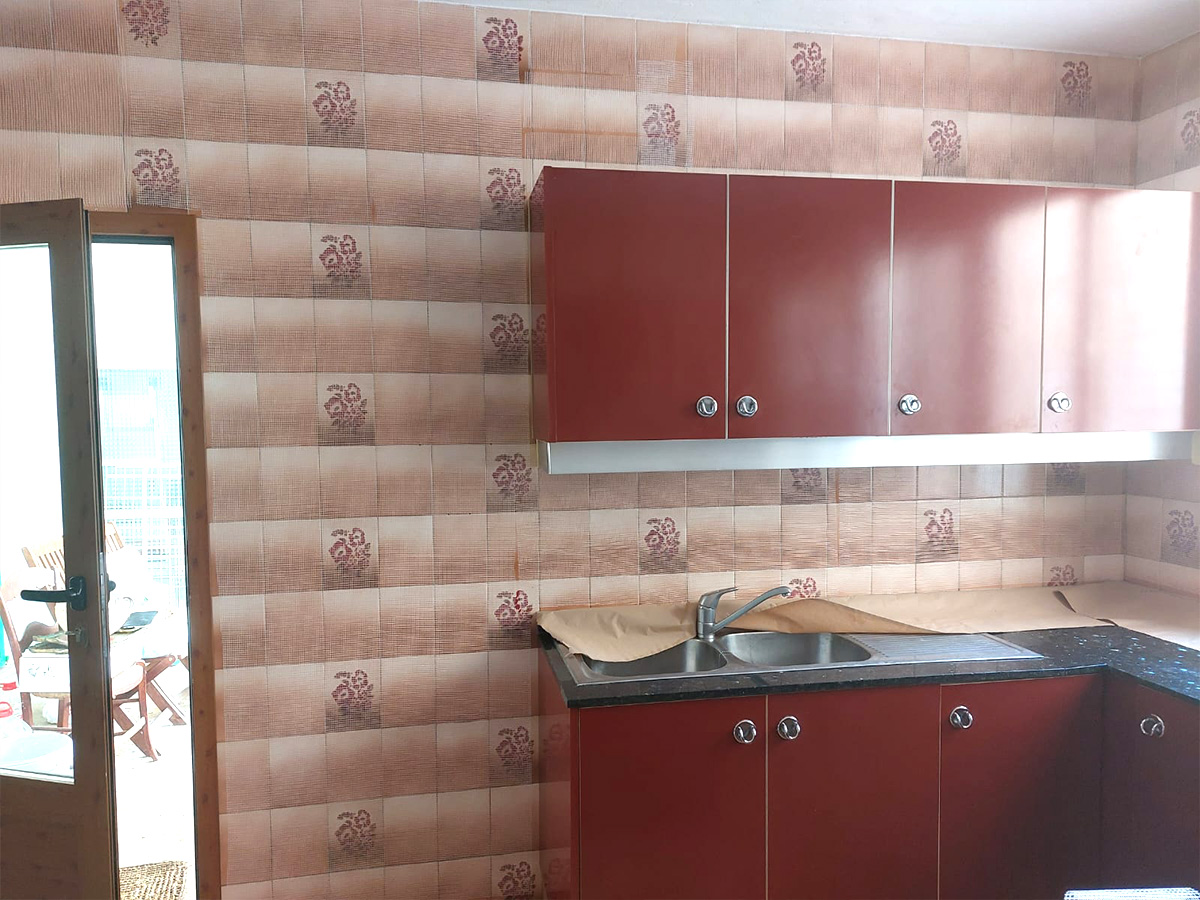
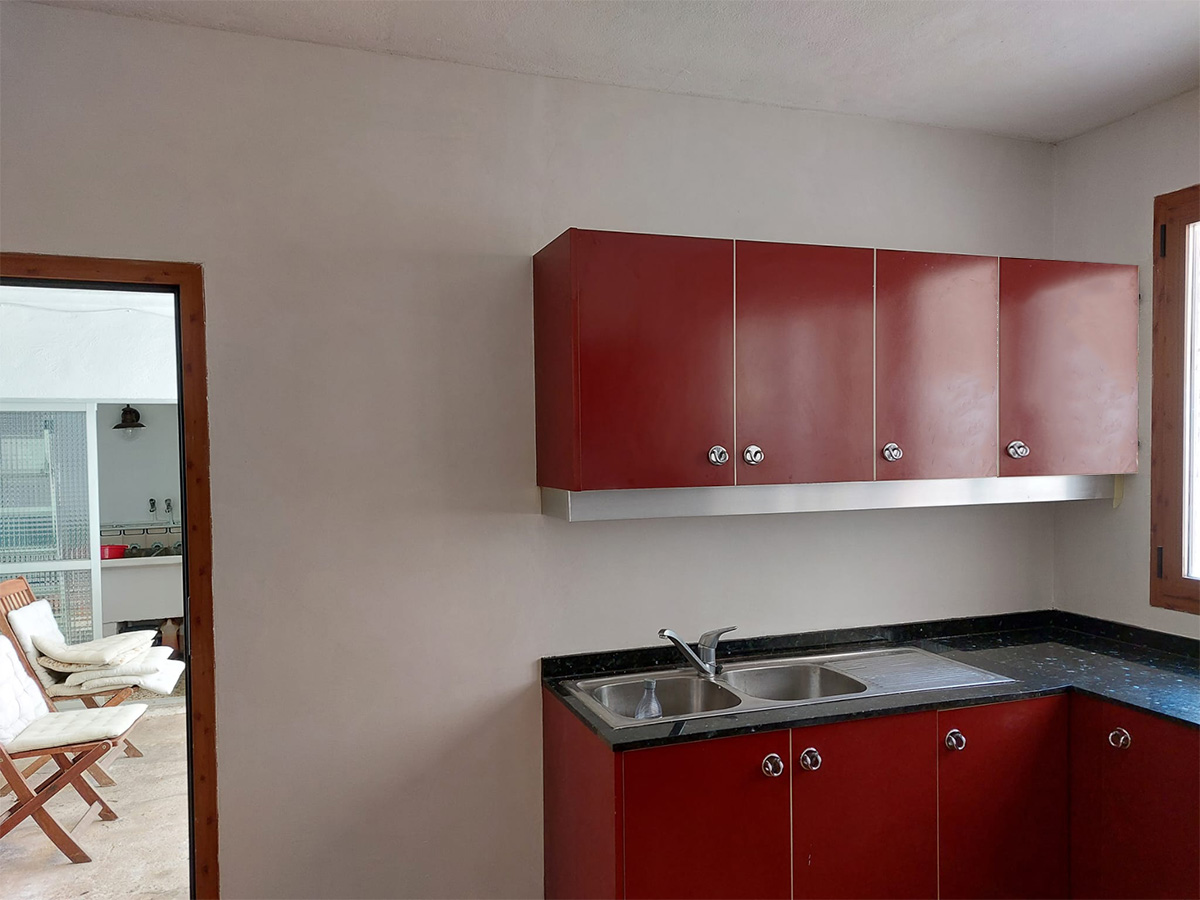
In many projects, the greatest value lies not only in the final result, but also in how it was achieved. Applying microcement over an existing surface in good condition allows for the avoidance of unnecessary demolition. This reduces time, waste, and complexity.
This type of intervention is especially useful when the home is occupied or when the aim is to minimize the impact of the construction. The before and after difference is not only aesthetic; it's also functional.
Bathrooms and showers where the change is evident

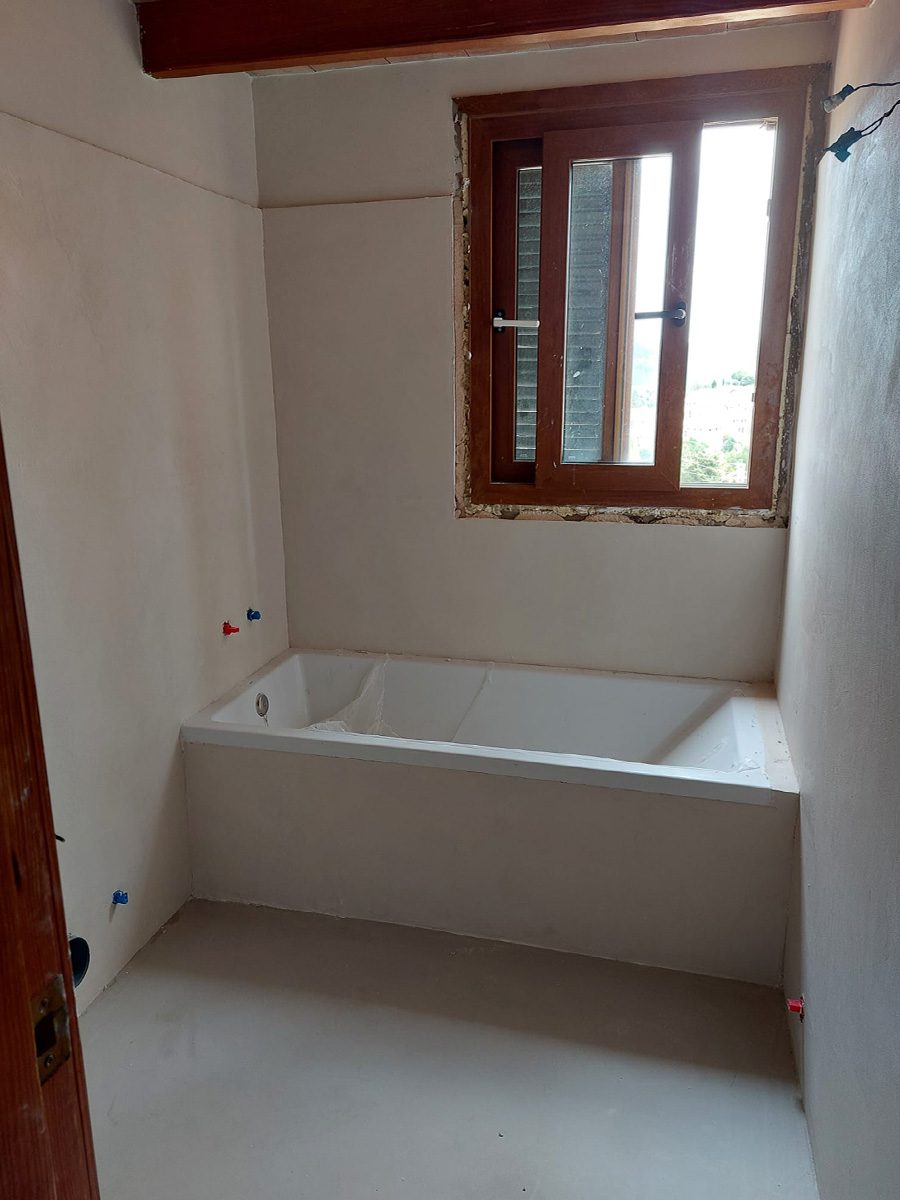
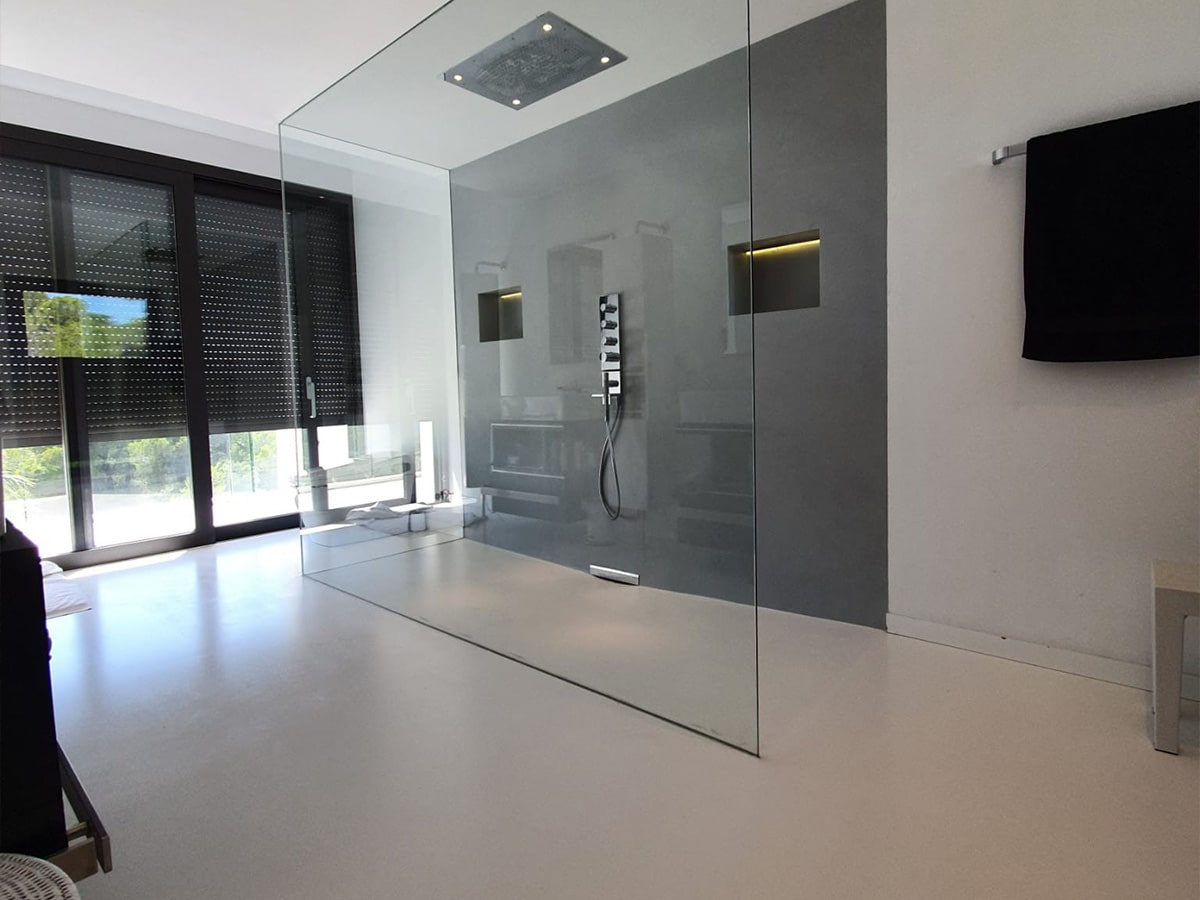
The bathroom is probably the space where the transformation is most noticeable. Tiles with visible grout lines, changes in layout, poorly integrated sanitary ware. When all of that is replaced by seamless, well-executed surfaces, the space gains serenity.
However, this is where the difference between a superficial application and a well-thought-out one becomes most apparent. Proper waterproofing, substrate treatment, and the choice of finish are crucial. A seamless bathroom isn't just about aesthetics; it's about technical expertise.
When these phases are carried out rigorously, the result not only looks better, it's a better place to live. It's easy to clean and maintains visual consistency with the rest of the home.
When microcement is not the best choice
Not all spaces benefit in the same way. There are projects where the enthusiasm for a seamless finish overshadows the technical analysis.
On surfaces with active structural movement, for example, applying microcement without addressing the underlying cause can create stress within the system. The same occurs when an extremely smooth finish is attempted in exposed or high-traffic outdoor areas. The material doesn't fail on its own. It fails when it's subjected to demands it wasn't designed to meet.
This also applies to purely aesthetic decisions. Replacing perfectly good paving simply to follow a trend might produce a visually pleasing result, but one that is functionally unnecessary. Not everything that was before needs to become something that was after.

The invisible factor that makes the difference
In all projects where microcement truly transforms a space, there's something they have in common: a thorough preliminary analysis. Understanding how the room is used, how much light it receives, what kind of maintenance it will require, and what the expectations are.
The before and after doesn't begin the day the material is applied. It begins with the initial conversation. With asking the right questions. With deciding whether microcement is the right solution or if another alternative is better.
When that analysis exists, the material ceases to be the protagonist and becomes a tool. And that's where it works best.

Images of transformation are powerful, but they don't tell the whole story. Behind every coherent change are technical decisions, assessment of the support, and careful execution.
Microcement can remarkably redefine a space, but only when it addresses a genuine need. When it's used as a solution, not as a mere impulse.
Before imagining what comes next, it's worth taking a good look at what came before.